

Thin Lithium Polymer Battery
Custom thin and flat LiPo battery solutions for compact electronic devices, wearables, GPS trackers, IoT sensors, handheld products, healthcare devices and OEM applications.
ZERNE Thin Lithium Polymer Battery for Slim Product Design

ZERNE Li-Po Battery Options for Thin and Flat Applications
| Model | Voltage (V) | Capacity (mAh) | Size | Recommended Use | ||||
| Thickness (mm) | Width (mm) | Length (mm) | ||||||
| 321447 | 3.7V | 180mAh | 3.2mm | 14mm | 47mm | Slim wearables, compact sensors | ||
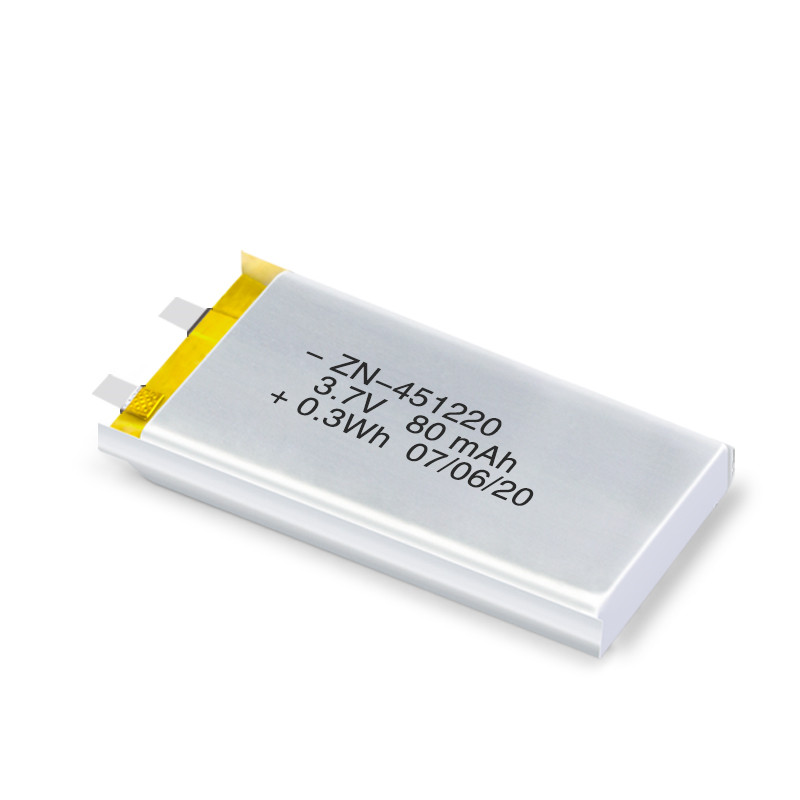
| 451220 | 3.7V | 70mAh | 4.5mm | 12mm | 20mm | Mini wearable electronics | ||
| 502030 | 3.7V | 250mAh | 5.0mm | 20mm | 30mm | Small smart devices | ||
| 602058 | 3.7V | 750mAh | 6.0mm | 20mm | 58mm | Smart devices, wireless modules | ||
| 522262 | 3.7V | 850mAh | 5.2mm | 22mm | 62mm | Thin portable electronics | ||
| 4022102 | 3.7V | 900mAh | 4.0mm | 22mm | 102mm | Long and slim device structures | ||
| 4025130 | 3.7V | 1500mAh | 4.0mm | 25mm | 130mm | Slim higher-runtime devices | ||
Performance Features of ZERNE Thin Li-Po Batteries
ZERNE thin lithium polymer batteries are selected for compact size, flexible integration, rechargeable power and protection design options.
Thin Flat Structure
ZERNE Li-Po batteries support slim and lightweight product designs. The flat pouch structure helps make better use of limited battery compartments in compact devices, especially when the product housing cannot be enlarged or redesigned.
Flexible Size Match
Battery thickness, width, length, capacity, voltage and shape can be customized according to OEM product structures. This helps device engineers improve internal space utilization while keeping the product light and easy to assemble.
Stable Standby Use
Lithium polymer batteries are suitable for portable devices that need rechargeable power and standby performance. ZERNE can help match the battery according to device runtime, working current, standby current and application conditions.
Protection Options
ZERNE supports PCM, BMS, NTC, smart battery options, custom wiring and connector solutions. These configurations help match the battery with charging, discharging, temperature sensing and device assembly requirements.
Applications of ZERNE Thin Lithium Polymer Batteries

Wearable Electronics

GPS Tracking Devices
GPS trackers often need compact batteries for positioning, standby and data transmission while staying small enough for vehicle, asset, pet or personal tracking use. A thin or flat lithium polymer battery can help improve internal space utilization inside the tracker housing. ZERNE can match battery size, capacity, connector and protection configuration according to tracker structure and operating requirements.
IoT Sensors and Modules
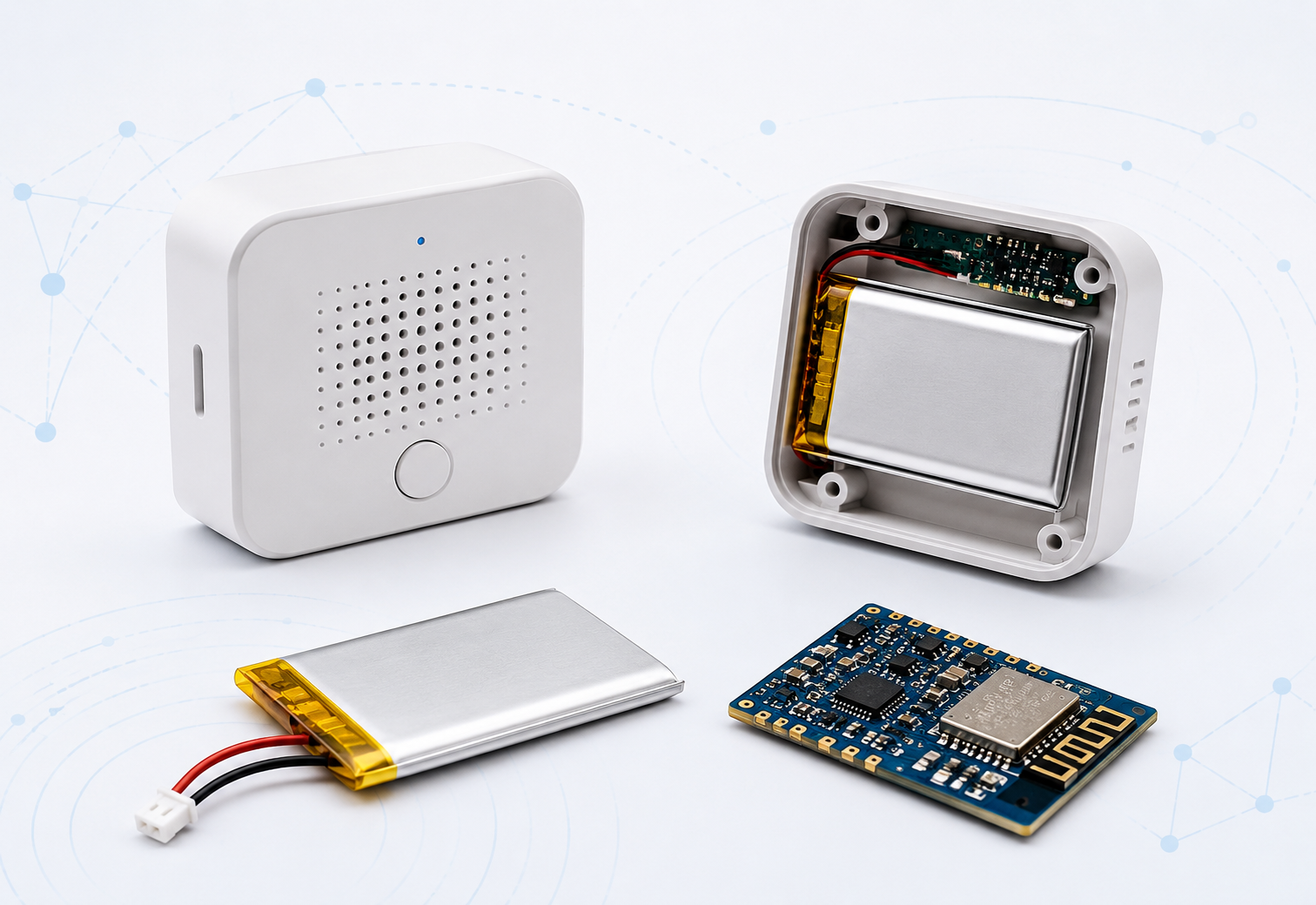
IoT sensors and wireless modules are often installed in small enclosures where battery height, cable route and connector position directly affect product assembly. ZERNE flat lithium polymer batteries can support compact IoT products by matching thickness, width, length, capacity, wire length and connector type according to the device’s internal layout and expected standby performance.

Handheld Electronics
Handheld devices such as POS terminals, barcode scanners, game controllers and compact tools need batteries that support mobile operation without making the product too bulky. Thin lithium polymer batteries help designers balance grip comfort, internal component layout and runtime. ZERNE can provide standard model selection or custom LiPo battery development for different handheld product structures.

Healthcare Products
Healthcare and beauty devices often require a clean external shape, lightweight handling and stable rechargeable power. Thin LiPo batteries can be used in beauty devices, massage products, breast pumps and similar compact products. ZERNE can customize battery size, capacity, connector and protection options according to the device housing, charging method and daily use requirements.

Medical Equipment
Portable medical electronics may need compact batteries that support stable standby, safe integration and reliable product assembly. For devices such as blood glucose monitors and small medical equipment, ZERNE can help evaluate thin lithium polymer battery options based on available space, expected runtime, working current, connector requirement, NTC needs and protection configuration.
How We Match a Thin Lithium Polymer Battery to Your Device?
A suitable thin Li-Po battery should match both mechanical structure and electrical requirements.
Confirm Battery Space
Review Power Demand
Check Assembly Details
Connector type, cable length, wire outlet direction, PCM/BMS position and NTC requirement should be confirmed before sampling. These details are especially important for thin and flat battery projects because compact devices usually have very little extra internal space.
What to Send for a Custom Thin LiPo Battery Quote?
Please share your device structure and battery requirements. ZERNE will review your size, capacity, voltage, connector and protection needs, then recommend a suitable standard model or custom lithium polymer battery solution.
Custom Thin Lithium Polymer Battery Process
Requirement Review
We review your product type, available battery space, voltage, capacity target, discharge demand, connector requirement and application conditions to confirm the battery matching direction.
Battery Proposal
Based on your project information, we recommend a suitable standard Li-Po battery model or evaluate a custom thin lithium polymer battery design.
Sample Testing
Samples can be used to verify size fit, connector position, electrical performance, protection configuration and assembly compatibility before mass production.
Production Delivery
After sample confirmation, the battery specification, connector, cable length and protection system can be finalized for production and shipment according to project requirements.

Quality Support for ZERNE Thin LiPo Batteries
Material Control
Incoming material control helps maintain production consistency before battery manufacturing begins. For compact Li-Po batteries, stable materials and process preparation are important because cell thickness, pouch structure and internal design must match the required battery space.
Process Monitoring
ZERNE applies production monitoring during lithium battery manufacturing. For thin pouch-style batteries, dimensional control, process consistency and protection configuration should be checked carefully to support stable integration into compact electronic products.
Shipment Inspection
Before shipment, battery model, size, capacity, connector, cable length and protection configuration should be confirmed according to the agreed specification. This helps customers receive battery products that match their project requirements.
Why Choose ZERNE for Thin Lithium Polymer Batteries
ZERNE combines long-term lithium battery manufacturing experience, R&D capability, custom project support and quality management to serve global battery applications.
Long-Term Manufacturing
ZERNE was founded in 1998 and focuses on lithium battery R&D, design, manufacturing and sales. This supports stable supply and communication for OEM projects.
Product Range Match
ZERNE provides lithium polymer batteries in different capacity ranges, from compact cells to higher-runtime models. Customers can choose standard or custom solutions.
Custom Project Support
ZERNE supports custom Li-Po battery projects based on size, capacity, voltage, PCB/BMS, connector and application needs. This helps match batteries to device structures.
Quality Control System
ZERNE uses full-process quality control from production to shipment. Monitoring and inspection help maintain consistent battery quality.

Contact Us
Looking for a thin lithium polymer battery or a flat Li-Po battery for your compact product? Send your project details and ZERNE will help match the right battery size, capacity, connector and protection solution.
FAQs
-
 Battery warranty vs service life is an important distinction for OEM purchasing. This guide explains how commercial coverage differs from cycle-life results and application requirements. It covers warranty starting events, capacity commitments, matched test conditions, field-claim evidence, and replacement planning. A clearly labeled example shows why a laboratory capacity endpoint may not satisfy a device’s service requirement.
 -
 Do lithium-ion batteries leak? This guide explains possible leakage signs, causes, and the differences between electrolyte release, swelling, and external contamination. It also outlines what OEM teams should record, how to preserve useful failure evidence, and why normal voltage cannot confirm containment integrity. The focus is on appropriate incident handling and structured supplier investigation.
 -
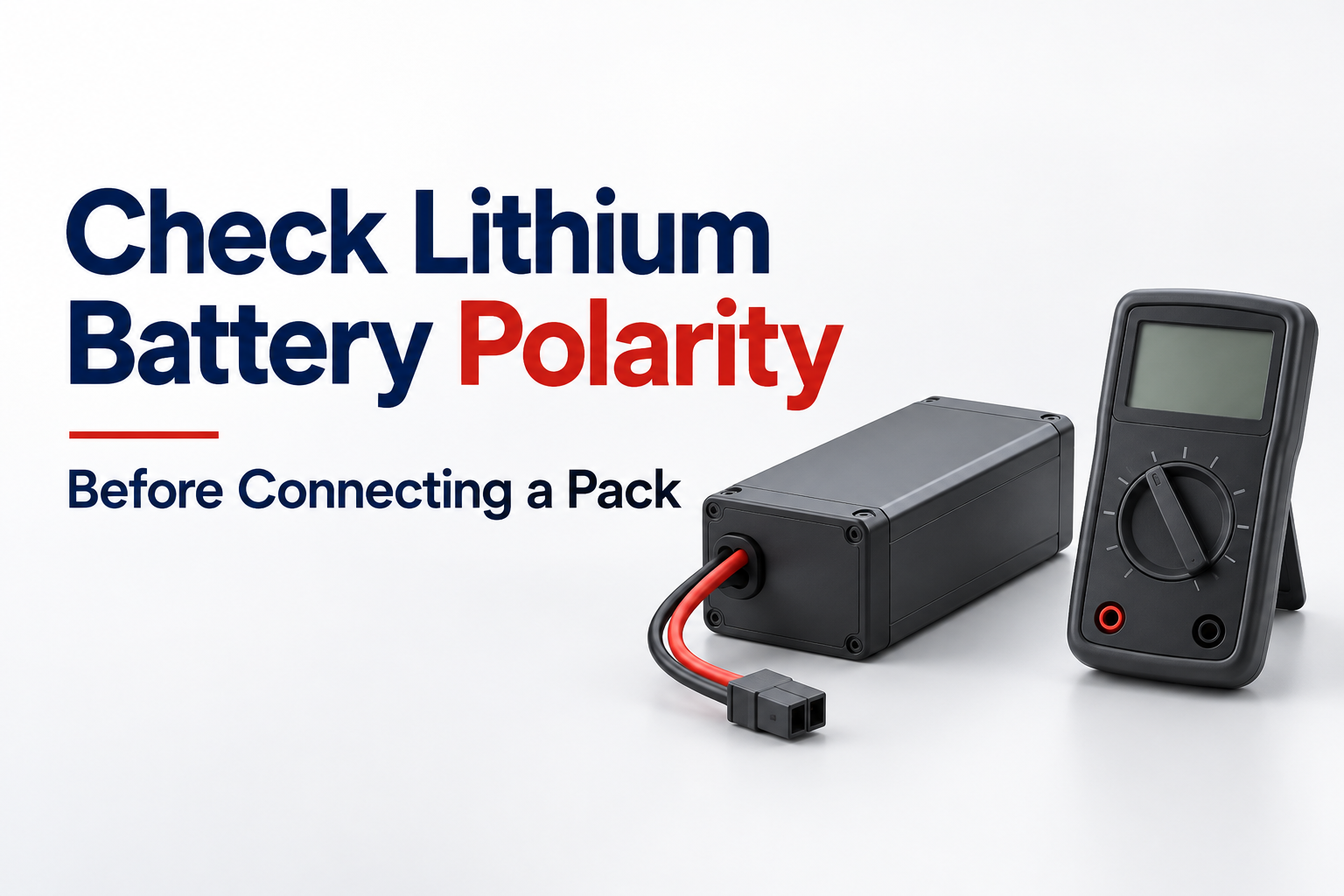 Learn how to check lithium battery polarity before connecting a pack to an OEM device. This guide explains how to identify output contacts, interpret connector viewing directions, configure a digital multimeter, and evaluate positive, negative, zero, or unstable readings. It also covers device-side pin mapping and the documentation needed for repeatable incoming inspection.
 -
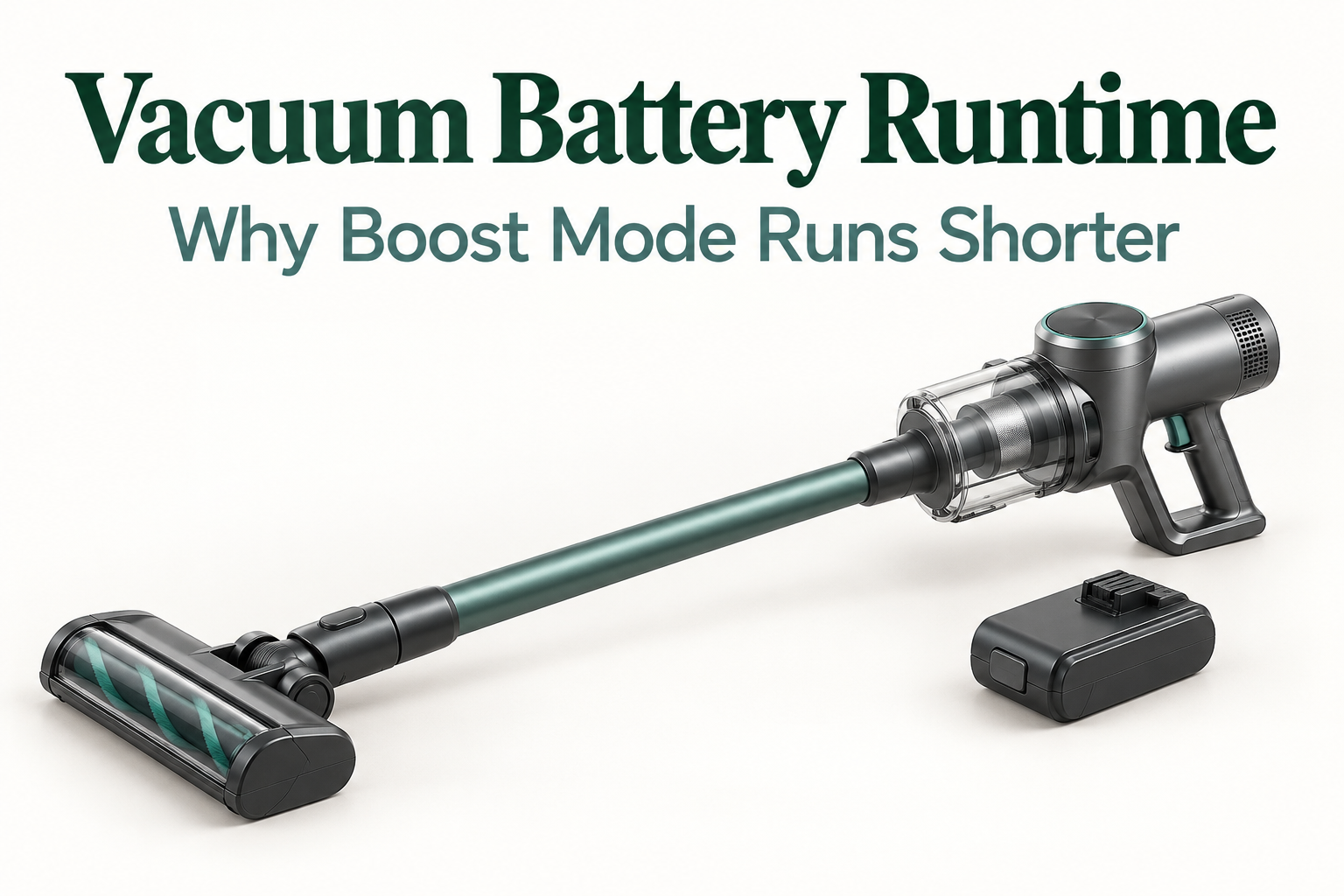 Cordless vacuum battery runtime in Boost mode depends on power demand, usable energy and the limits reached during operation. This guide explains why higher current can increase voltage sag and heating, distinguishes expected shorter runtime from an early shutdown, and provides a mode-based OEM test matrix. Clearly labeled calculations compare Normal and Boost operation without promising a fixed runtime. Engineers can use the results to specify the pack and validate the intended high-power duty cycle.
Keep in touch with ZERNE
Tell us what your device needs, and ZERNE will help you find a suitable thin lithium polymer battery solution.
You can share your battery size, capacity, voltage, connector type, cable length and application details through the form. Our team will review your requirements and help match a standard Li-Po battery model or discuss a custom battery option for your project.
Mob:+86-13724662111
E-mail:info@zn-battery.com