
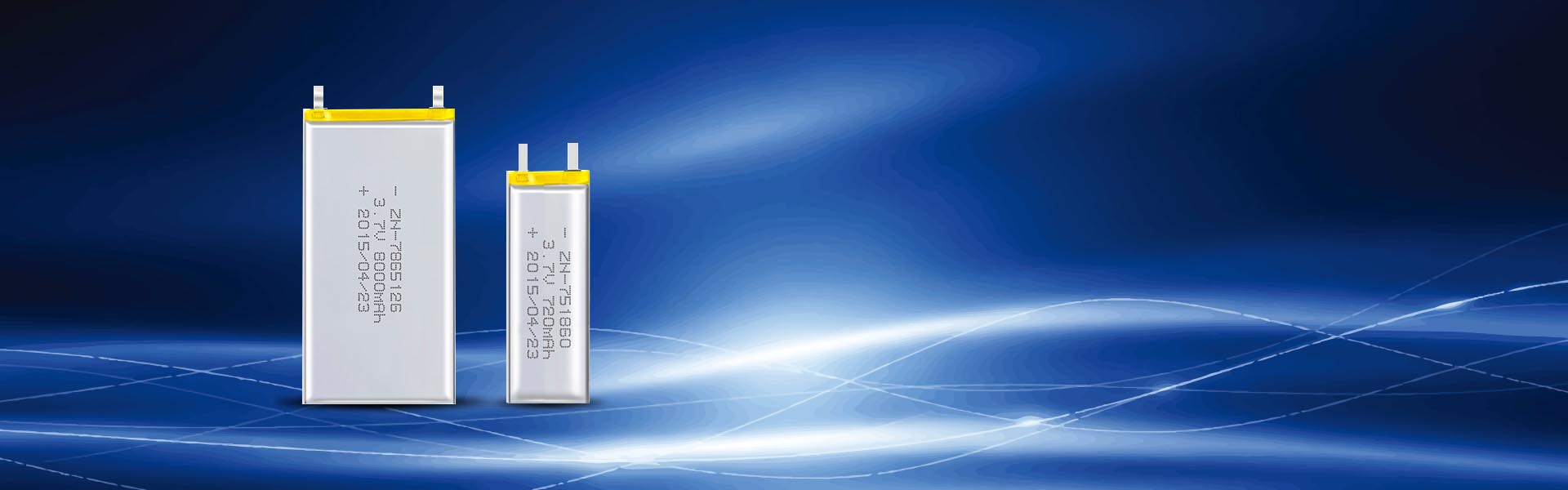
High Density Lithium Polymer Battery
More power in limited space for smart wearables, AI devices, IoT sensors, GPS trackers and custom OEM electronics.
ZERNE High Density Lithium Polymer Battery for Compact Devices
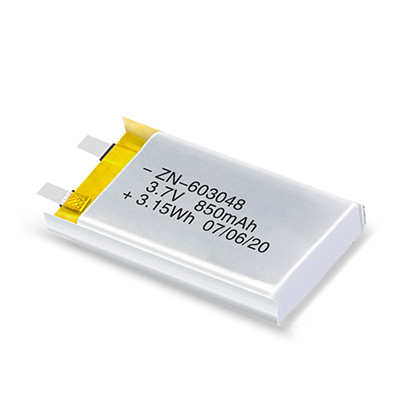
ZERNE Li-Po Battery Options for High Density Applications
| Model | Voltage (V) | Capacity (mAh) | Size | Recommended Use | ||||
| Thickness (mm) | Width (mm) | Length (mm) | ||||||
| 321447 | 3.7V | 180mAh | 3.2mm | 14mm | 47mm | Slim wearables, compact sensors | ||
| 701238 | 3.7V | 280mAh | 7.0mm | 12mm | 38mm | Narrow-space mini electronics | ||
| 502030 | 3.7V | 250mAh | 5.0mm | 20mm | 30mm | Small smart devices, modules | ||
| 582030 | 3.7V | 300mAh | 5.8mm | 20mm | 30mm | Wearables, compact electronics | ||
| 801348 | 3.7V | 500mAh | 8.0mm | 13mm | 48mm | IoT devices, smart hardware | ||
| 751645 | 3.7V | 650mAh | 7.5mm | 16mm | 45mm | Trackers, compact terminals | ||
| 602058 | 3.7V | 750mAh | 6.0mm | 20mm | 58mm | Smart devices, wireless modules | ||
| 522262 | 3.7V | 850mAh | 5.2mm | 22mm | 62mm | Thin portable electronics | ||
| 4022102 | 3.7V | 900mAh | 4.0mm | 22mm | 102mm | Long and slim device structures | ||
| 782059 | 3.7V | 1030mAh | 7.8mm | 20mm | 59mm | Higher-runtime compact devices | ||
Performance Features of ZERNE High Density Li-Po Batteries
ZERNE high density lithium polymer batteries are selected for compact size, energy storage, lightweight integration and protection flexibility.
Higher Energy in Same Space
ZERNE high density Li-Po batteries help store more usable energy within a compact battery structure. This makes them suitable for products where the battery compartment cannot be enlarged, such as smart wearables, compact sensors, AI devices and other portable electronics.
Slim and Lightweight Design
Lithium polymer batteries support slim, lightweight and flexible product designs. ZERNE can customize battery dimensions, thickness and shape according to OEM product structures, helping customers improve internal space utilization without unnecessary weight increase.
Stable Standby Performance
ZERNE lithium polymer batteries are engineered to maintain stored energy efficiently, helping support standby performance in portable electronic devices. This is important for products such as trackers, sensors, smart hardware and medical monitoring devices.
Safety Protection Options
ZERNE supports PCM, BMS, NTC, smart battery options, custom wiring and connector solutions. These configurations help match the battery with the device charging method, discharge demand, operating condition and assembly structure.
Applications of ZERNE High Density Lithium Polymer Batteries

Smart Watches & Bands

AI Glasses & AI Devices
AI glasses and compact AI devices require batteries for narrow or irregular spaces while supporting cameras, sensors, audio and wireless functions. ZERNE high density Li-Po battery solutions can be customized by size, wire direction, connector and PCM/NTC configuration to fit different AI device layouts.

IoT Sensors & Trackers
IoT sensors, asset trackers, GPS modules and wireless monitoring devices need compact batteries for standby operation and stable power output. ZERNE high density lithium polymer batteries can be selected or customized according to device size, runtime target, discharge demand and connector requirements.

TWS Earphones & Headsets
TWS earphones and Bluetooth headsets require small, lightweight and stable batteries because internal space is limited by acoustic parts, charging contacts and ergonomic design. ZERNE can support compact Li-Po battery selection and customization to match battery size, capacity and output configuration.

Healthcare & Beauty Devices
Portable healthcare devices, beauty instruments, massage products, hair removal devices and breast pumps need batteries that balance compact design, safety protection and rechargeable performance. ZERNE high density lithium polymer batteries can be customized by size, cable length, connector and protection needs.

VR / AR & Smart Hardware
VR/AR products, game controllers, handheld terminals and smart hardware need stable power without making the product bulky or uncomfortable. ZERNE high density Li-Po battery solutions can match battery thickness, capacity, voltage and connector configuration, with high-voltage LiPo options available for higher energy needs.
High Density vs High Capacity Li-Po Battery
Different devices need different battery priorities. High density focuses on compact space, while high capacity focuses on longer runtime.

High Density Li-Po Battery
High Capacity Li-Po Battery
How to Choose?
How to Choose the Right High Density Li-Po Battery?
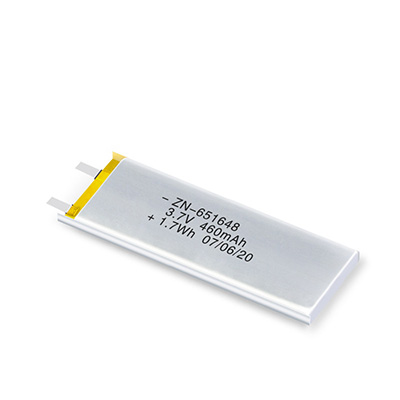
ODM/OEM Services for High Density Li-Po Battery Projects
Requirement Review
ZERNE reviews your product type, available battery space, voltage, target capacity, discharge demand, connector needs and application conditions to help match a suitable high density Li-Po battery solution.
Size Customization
Battery dimensions, thickness, width, length, capacity, voltage and shape can be customized according to product structure. This is suitable for compact electronics with limited or irregular battery space.
Protection Options
PCM, BMS, NTC, smart battery options, JST, Molex, custom connectors and cable length can be selected according to the device’s charging, discharging and operating requirements.
Sampling Support
ZERNE supports custom sample development for size verification, electrical testing and integration review before mass production, helping OEM customers reduce battery matching risks in the product development stage.

Built for Compact Product Safety
Protection Circuit Design
ZERNE can support PCM, BMS, NTC and smart battery options according to product requirements. These options help manage charging, discharging, temperature sensing and battery protection needs.
Connector and Wiring Fit
Compact devices often require specific wire length, connector type and outlet direction. ZERNE supports JST, Molex, custom connectors and cable length options to improve assembly compatibility.
Application-Based Testing
Battery performance should be confirmed according to real application conditions, including working current, standby current, charging method, internal space and device structure. Samples can be used for size and performance verification before production.
Why Choose ZERNE?
ZERNE combines long-term manufacturing experience, R&D capability, custom project support and quality management to serve global customers across different lithium battery applications.
Long-Term Manufacturing Experience
ZERNE has been focused on lithium battery R&D and manufacturing since 1998, integrating R&D, design, manufacturing and sales for global customer projects.
ODM/OEM Project Support
ZERNE supports custom projects with low MOQ, fast sampling, responsive service, technical feedback and export experience for overseas customers.
R&D and Manufacturing Base
ZERNE continues to invest in R&D and production capability, including a 30,000㎡ production base and dedicated R&D center for lithium battery development.
Certified Quality System
ZERNE supports international battery projects with ISO9001 history, strict production control, shipment inspection and global compliance certifications.

Contact Us
Looking for a high density Li-Po battery or a custom battery design? Send your project details and ZERNE will help match the right battery solution for your compact device.
FAQs
-
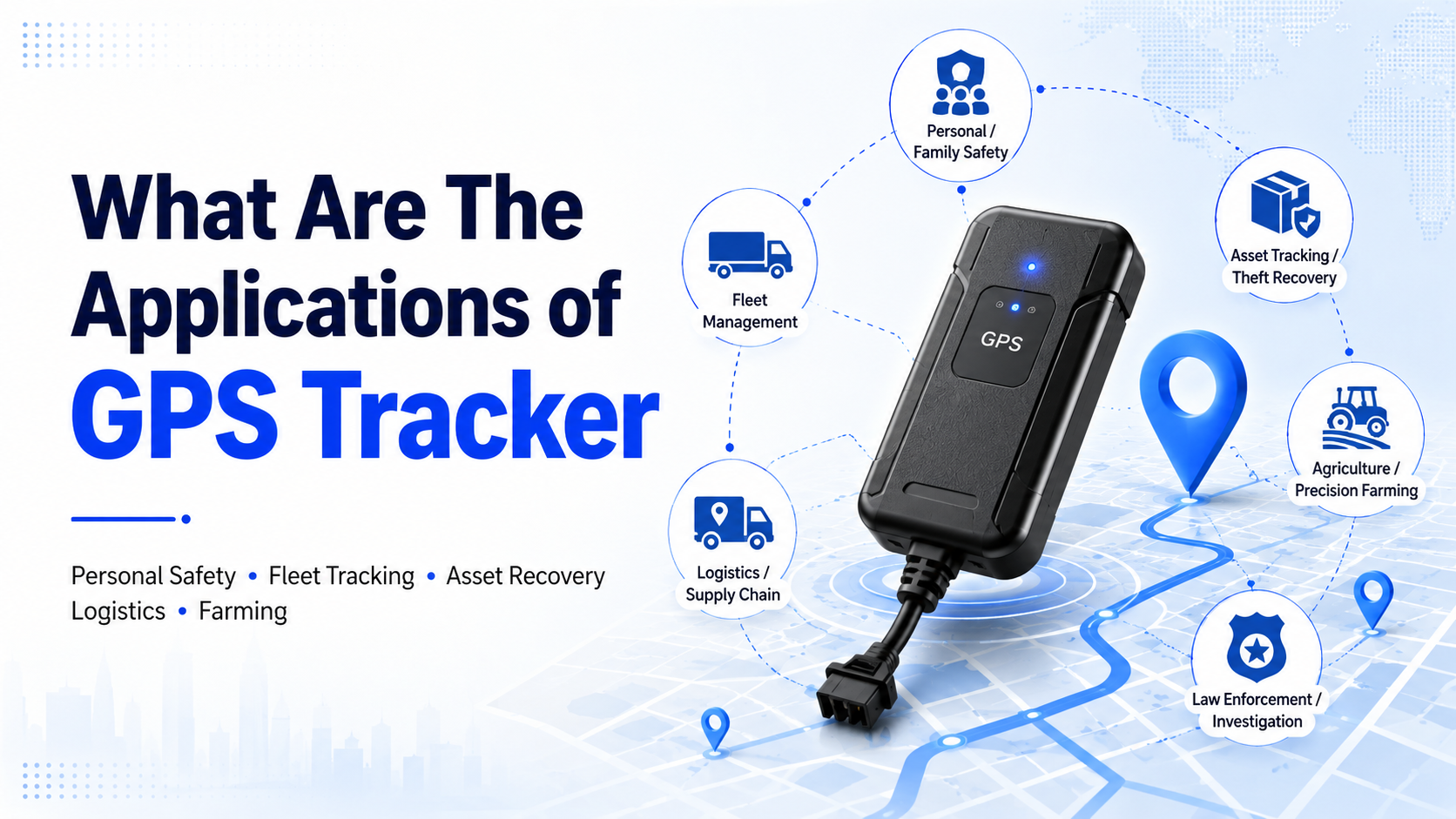 GPS trackers are widely used for vehicle monitoring, asset protection, personal safety, logistics, agriculture, and wildlife research. However, reliable location tracking depends not only on GPS modules and communication networks but also on the battery that powers the device.
 -
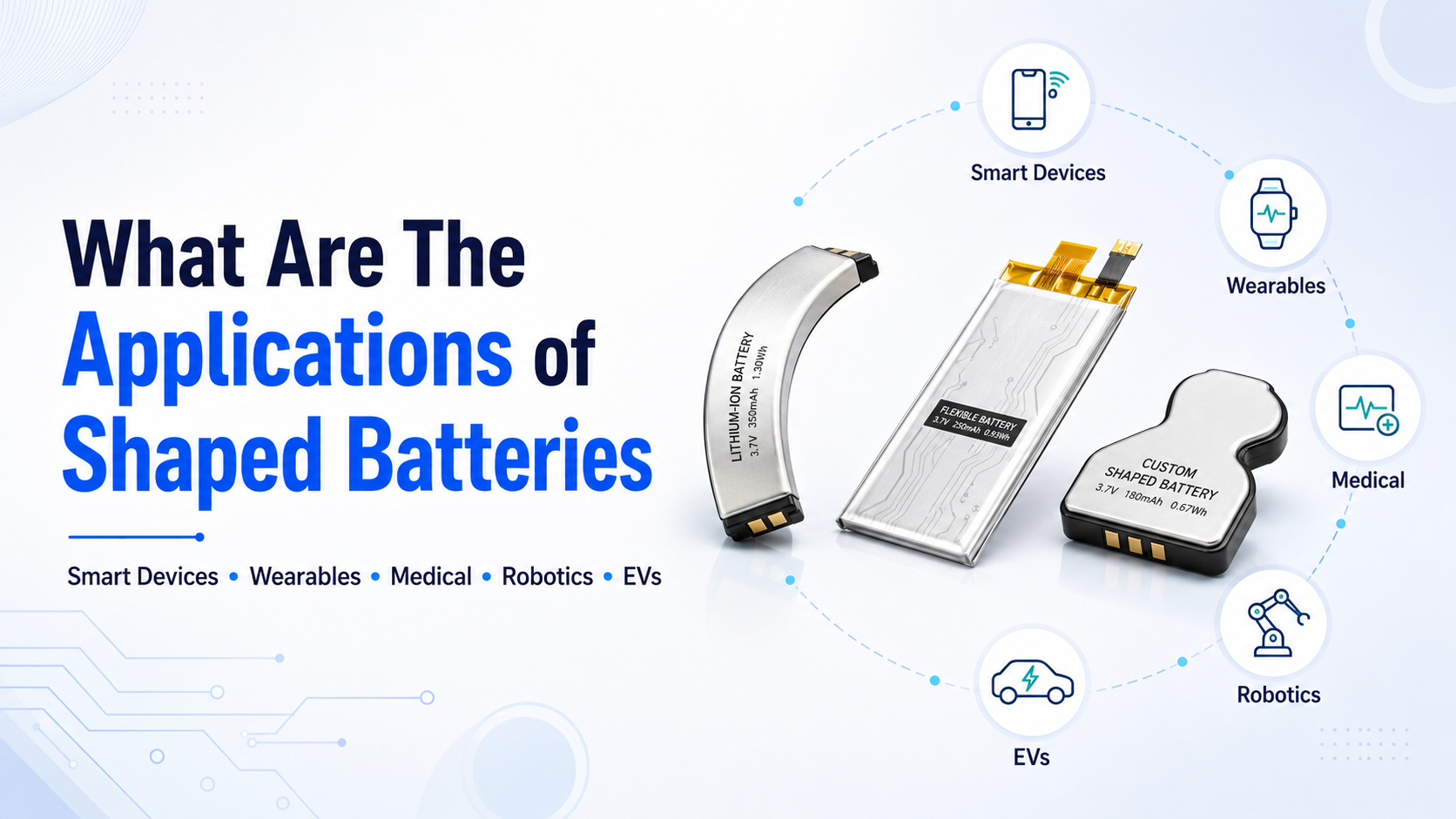 You need a shaped battery if your device has a special shape or not much space. Shaped batteries use flexible parts to fit into tight or odd spaces. This design lets you power smart devices, wearables, and medical tools.
 -
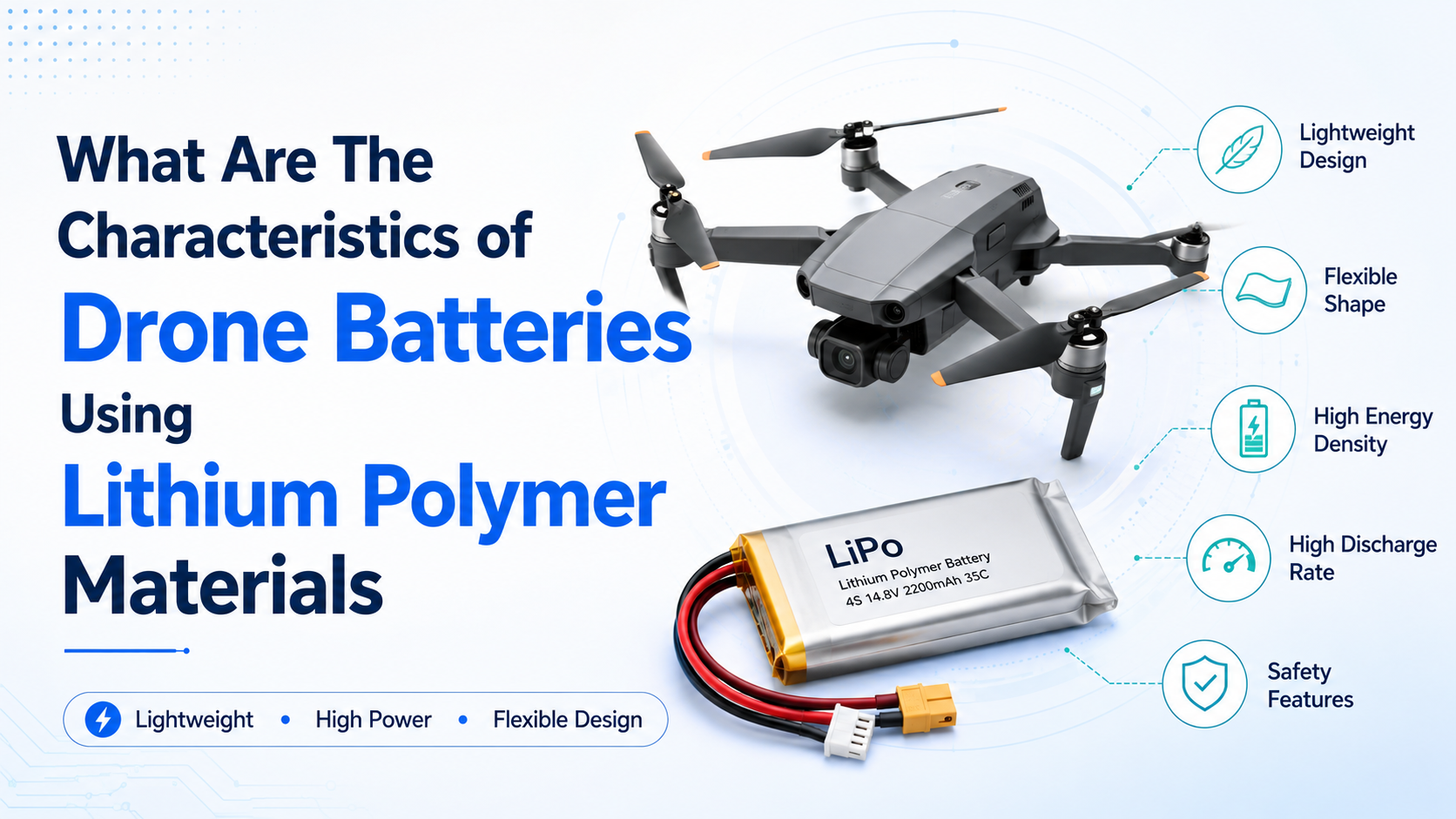 You will see that a lithium polymer drone battery is light, can be shaped in many ways, and stores a lot of energy. Drone users like this battery because it gives.
 -
 You might see some usual problems with your drone battery when you work in the field:The flight time is short. It can be only 20 to 60 minutes. This happens more with heavy loads.
Keep in touch with ZERNE
If you have any questions or requirements for high density lithium polymer batteries, please contact ZERNE. Our team will review your voltage, capacity, size, connector and application needs, then recommend a suitable battery solution for your compact product.
Mob:+86-13724662111
E-mail:info@zn-battery.com