
Views: 0 Author: Site Editor Publish Time: 2026-03-18 Origin: Site
Traveling with lithium polymer (LiPo) batteries can be confusing, especially with varying airline and country regulations. These batteries power devices like drones, laptops, and phones, but their safety on planes is a major concern. In this article, we'll break down what you need to know about flying with LiPo batteries, including the rules, safety guidelines, and best practices to avoid complications at airport security.
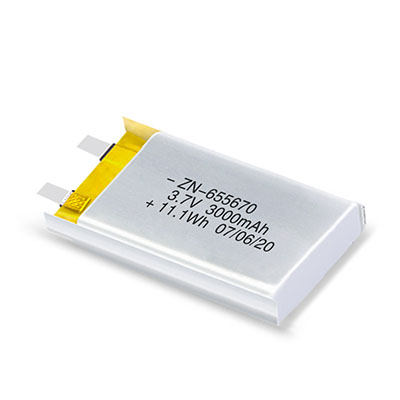
Lithium polymer (LiPo) batteries are a type of rechargeable battery commonly used in portable electronics. Unlike traditional lithium-ion batteries, LiPo batteries use a polymer electrolyte instead of a liquid one, making them lighter and more flexible in design. Their efficiency and compactness make them ideal for devices such as drones, RC models, and smartphones.
LiPo batteries are known for their lightweight and high energy density. Unlike lithium-ion (Li-ion) batteries, which are used in most portable electronics, LiPo batteries offer greater design flexibility. This makes them popular for high-performance gadgets like drones, but it also means that they can pose unique risks in certain conditions, especially when damaged.
Due to their high energy capacity, damaged or improperly stored LiPo batteries can lead to overheating, fires, or even explosions. These risks are particularly concerning in the confined space of an aircraft. This is why there are strict regulations on how these batteries are transported.
Yes, you can bring LiPo batteries on a plane, but you must comply with specific rules. Both domestic and international regulations restrict the size, voltage, and storage of LiPo batteries when flying. These rules exist to mitigate the risk of fire and other safety hazards associated with battery malfunctions.
Most airlines follow the guidelines set by the International Civil Aviation Organization (ICAO) and the International Air Transport Association (IATA). The general rule is that LiPo batteries with a watt-hour (Wh) rating of 100Wh or less can be carried in carry-on luggage. Batteries exceeding 100Wh but under 300Wh are typically allowed in carry-on bags but may require airline approval.
For batteries above 300Wh, it's unlikely you'll be able to carry them on a passenger plane without special approval.
LiPo batteries should never be placed in checked luggage unless explicitly allowed by the airline. The risk of a fire in the cargo hold is a significant safety concern, which is why most regulations insist that batteries be transported in the cabin with the passenger.
LiPo batteries are safer when carried in the cabin, and most airlines permit them in carry-on bags. However, airlines often require that the terminals be protected from short-circuiting (using battery cases or tape over the terminals).
Lithium Polymer Battery Size and Travel Guidelines
Battery Size | Allowed in Carry-On? | Allowed in Checked Luggage? | Additional Requirements |
Under 100Wh | Yes | Yes | No special approval required |
Between 100Wh and 300Wh | Yes (with airline approval) | No | Airline approval required for larger batteries |
Over 300Wh | No | No | Not allowed on passenger planes without special arrangements |
In the United States, the Transportation Security Administration (TSA) and Federal Aviation Administration (FAA) regulate the transport of LiPo batteries. According to TSA guidelines, batteries under 100Wh are permitted in both carry-on and checked luggage. However, larger batteries (over 100Wh) must be carried in carry-on luggage, with approval from the airline.
Regulations vary by country, so if you're flying internationally, it's important to check local rules. Many countries follow IATA's guidelines, but there are exceptions. Some countries have stricter regulations on the transport of high-capacity batteries, so always check with the airline and relevant authorities before traveling.
Each airline may have slightly different policies regarding LiPo batteries. Some airlines may limit the number of batteries you can bring, while others may have specific rules about how batteries should be stored. Always consult the airline's website or customer service before traveling to ensure you're in compliance with their guidelines.
When packing LiPo batteries for a flight, ensure that the terminals are protected to prevent short-circuiting. You can place batteries in protective cases or wrap the terminals with electrical tape. Additionally, it's best to keep the batteries in their original packaging if possible.
The watt-hour rating determines whether a battery is allowed in carry-on or checked luggage. Batteries under 100Wh can be carried without special permission, while those over 100Wh but under 300Wh need airline approval. Batteries over 300Wh generally cannot be carried on passenger planes.
If your LiPo battery is damaged or defective, it's crucial not to transport it on a plane. Damaged batteries pose a significant fire risk. If you must transport a faulty battery, consult your airline for advice on proper disposal or transport methods.
Drones often use LiPo batteries, and they are subject to the same regulations as other devices. When traveling with a drone, ensure that the battery is within the size limits (under 100Wh) and packed in accordance with safety guidelines.
LiPo batteries are commonly used in laptops and smartphones. These devices are typically allowed in carry-on luggage without issue, provided the batteries are within the allowed watt-hour limits. For larger batteries, special rules may apply.
Yes, there can be differences between international and domestic travel regulations for LiPo batteries. For instance, certain countries may impose stricter rules for high-capacity batteries. Always check both your airline's and your destination country's regulations before packing.
If you fail to follow the regulations for carrying LiPo batteries, airport security may confiscate your battery. This is especially likely if the battery exceeds the allowed watt-hour limits or is improperly packed.
If airport security confiscates your battery, remain calm and request clarification. In some cases, you may be able to safely dispose of the battery or have it shipped back to your home. However, always check local regulations for the proper procedures.
One common myth is that LiPo batteries are completely forbidden on planes. In fact, LiPo batteries are generally allowed as long as they comply with the required size and safety regulations. The real concern is ensuring that the battery is safe to transport.
While both types of batteries are similar, there are key differences in how they are regulated. Lithium-ion batteries are typically allowed under the same rules as LiPo batteries, but because of their design differences, certain size limits or conditions may vary.
Common Myths About Lithium Polymer Batteries
Myth | Fact |
LiPo batteries are always forbidden on planes | LiPo batteries are allowed with proper size and packaging |
LiPo batteries are only allowed in carry-on bags | Batteries under 100Wh can also be placed in checked luggage, with precautions |
All LiPo batteries are the same size | Battery size affects how they are regulated for air travel |
For safety, always keep LiPo batteries in your carry-on bag. This allows you to monitor them during the flight, and it's easier to comply with airline regulations for high-capacity batteries.
Regulations can change, and different airlines have different policies. To avoid issues at the airport, always check with your airline about their specific requirements for traveling with LiPo batteries.
Flying with lithium polymer batteries requires careful planning and adherence to regulations. By understanding the rules and following proper safety procedures, you can ensure that your flight is smooth and secure. Always check with your airline for up-to-date guidelines, and pack your batteries safely to prevent any issues during security screening. For those seeking high-quality LiPo batteries, Zerne offers reliable products that meet safety standards and provide excellent performance for various applications.
A: Yes, Lithium Polymer (LiPo) batteries are allowed on planes but with strict regulations regarding their size, voltage, and packaging. Always check airline guidelines before traveling.
A: It's generally not recommended to pack Lithium Polymer batteries in checked luggage due to fire risks. They should be stored in your carry-on bag.
A: Lithium Polymer batteries under 100Wh can be carried without special permission. Batteries over 100Wh but under 300Wh need airline approval.
A: Lithium Polymer batteries are highly energy-dense and can pose fire risks if damaged or short-circuited. These regulations ensure passenger safety.
A: Yes, you can carry LiPo batteries for drones as long as they meet the size and safety requirements for air travel.