
Compact Energy in a Defined Footprint
The 700mAh target gives the design team a clear starting point for periodic communication, sensing and short active sessions.
3.7 V Lithium Polymer Battery
The 603040 lipo battery places a 700mAh rated capacity in a 6mm × 30mm × 40mm pouch format. Its approximately 2.59Wh reference is suited to compact connected products where a moderate energy reserve must share a defined battery bay with electronics and retention features.
Product Snapshot
The 603040 combines a 6mm profile with a 30mm × 40mm plan area, making thickness and pocket area equally important for a connected device.
The 700mAh target gives the design team a clear starting point for periodic communication, sensing and short active sessions.
The 6mm thickness can be reviewed with cushioning, connector height and the clearance needed around the compact battery pocket.
Technical Data
The table separates confirmed configuration data from calculated electrical references so the 603040 format can be reviewed quickly during product planning.
| 603040 Mechanical and Electrical Specifications | |
|---|---|
| Product Number | 603040 |
| Nominal Voltage | 3.7 V |
| Rated Capacity | 700mAh |
| Battery Dimension | 6mm × 30mm × 40mm |
| Approximate Battery Weight | Approx. 14g |
| C-Rate | 1C |
| Internal Resistance | 70mΩ |
| Calculated Electrical References | |
| Standard Charge Current | Approx. 350mA |
| Rapid Charge Current | Approx. 700mA |
| Standard Discharge Current | Approx. 140mA |
| Maximum Discharge Current | Approx. 700mA |
| Calculated Energy | Approx. 2.59Wh |
Approximate weight uses the approved 3.7 V LiPo family reference. Current and energy values are calculated planning references; internal resistance is a supplied reference, not a universal performance limit; confirm the final charger, protection and load specification for the finished battery.
Product Characteristics & Advantages
The 603040 is differentiated by balanced geometry rather than maximum capacity. It is a practical reference when the cell must fit beside a board, antenna or sensor. Low-temperature suitability must be confirmed against the final operating and charging profile.
The 603040 is differentiated by balanced geometry rather than maximum capacity. It is a practical reference when the cell must fit beside a board, antenna or sensor. Low-temperature suitability must be confirmed against the final operating and charging profile. The calculated electrical references provide a structured starting point for charger, load and protection discussions, while the final battery remains a configurable OEM design.
Use the calculated energy to compare the product load, standby interval and desired recharge schedule.
Review the cell envelope with cushioning, protection, retention and cable access before releasing the battery bay.
Compare update frequency, standby time and active bursts with the capacity-derived current references.
Use the listed internal-resistance reference with peak current, wiring, connector and temperature during validation.
Confirm usable capacity, charging limits and cold-start behavior at the actual required operating condition.
Battery Calculation
Use the prefilled 603040 values or enter your own load assumptions for a quick energy and runtime estimate.
Energy is calculated from nominal voltage and capacity. Runtime uses the entered load power and an adjustable efficiency assumption.
Approx. 350mA is the approximate standard-charge reference for 700mAh.
The 603040 reference values are prefilled: 3.7 V, 700mAh and a standard-charge reference of approximately 350mA. Adjust the load power and efficiency to compare operating scenarios; the calculator does not infer safe limits from capacity alone.
Use the result for early comparison, then confirm the charger, protection, connector and final battery specification through sample testing.
Integration Guidance
Start with the 30mm × 40mm area, then confirm the 6mm depth, retention method and cable route. If the product operates in a cold environment, validate charging and usable capacity rather than relying on nominal capacity alone.
Reserve the complete rectangle plus cushioning and production tolerance before placing the board or antenna.
Use the 700mAh and 70mΩ references for an initial load discussion, then confirm the finished protection and connector arrangement.
Define operating, storage and charging conditions early so the low-temperature review uses a measurable test plan.
Applications & Solutions
The 603040 format connects a moderate energy reserve with a compact rectangle and a defined battery pocket for connected products.
 01
01The 6mm × 30mm × 40mm envelope can be compared with a personal-tracker housing where periodic location updates and standby demand shape the capacity choice.
View Personal Tracker Solutions → 02
02The 6mm × 30mm × 40mm format may suit a compact security-camera bay when standby duration, wireless activity and service access are reviewed together.
View Security Camera Battery Solutions → 03
03The 6mm × 30mm × 40mm pouch provides a focused reference for asset-tracking equipment that needs a moderate energy reserve and a controlled rectangular pocket.
View Asset Tracker Solutions →Related Technical Articles
Use these technical guides to connect low-temperature operation, current demand and energy planning with the finished battery specification.
 Operating Conditions
Use this guide when validating the 603040 configuration for low-temperature operation, charging and capacity retention.
Read the operating conditions guide →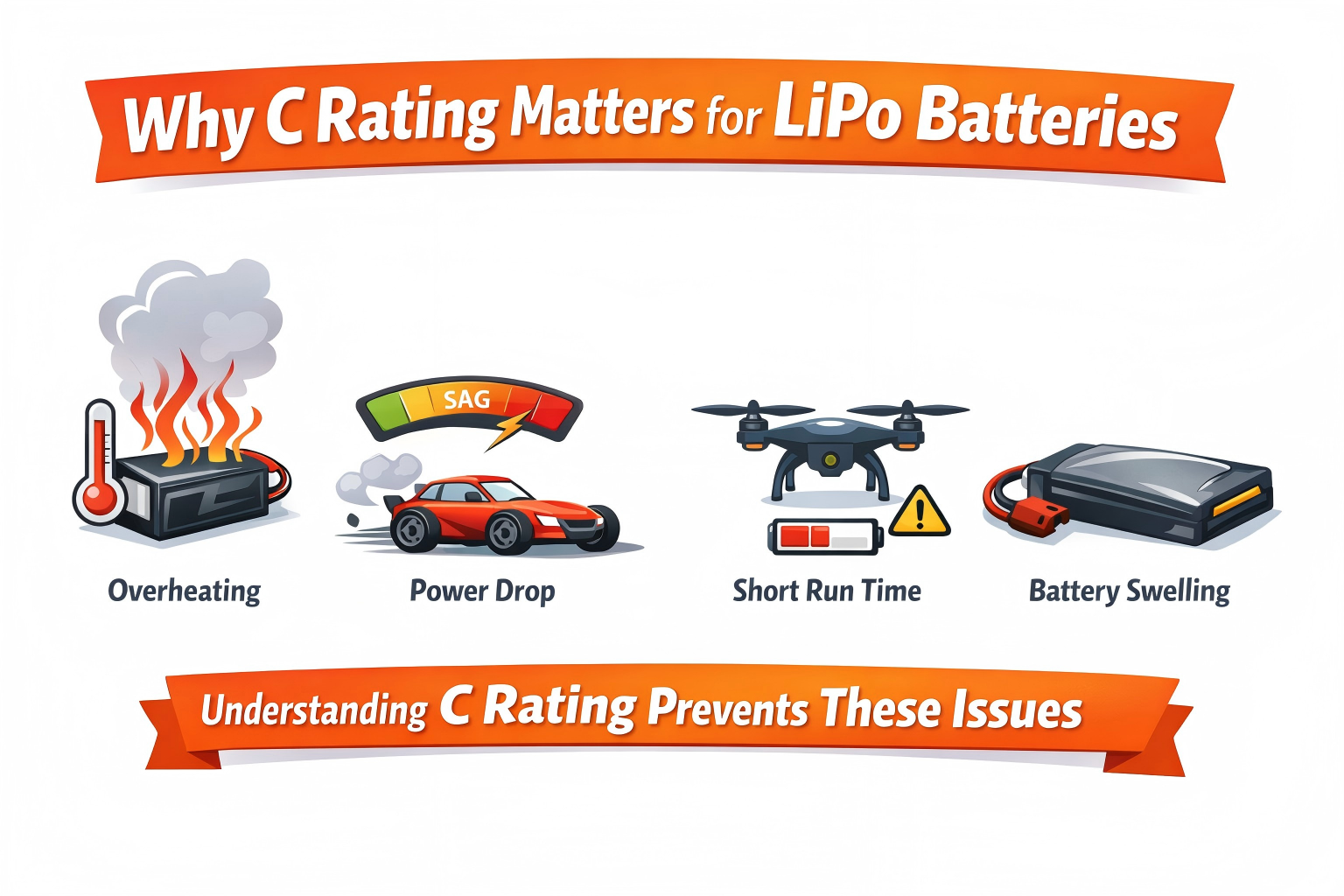 Current Demand
Compare the 603040 current references with startup demand, charger selection and the completed device power path.
Read the current demand guide →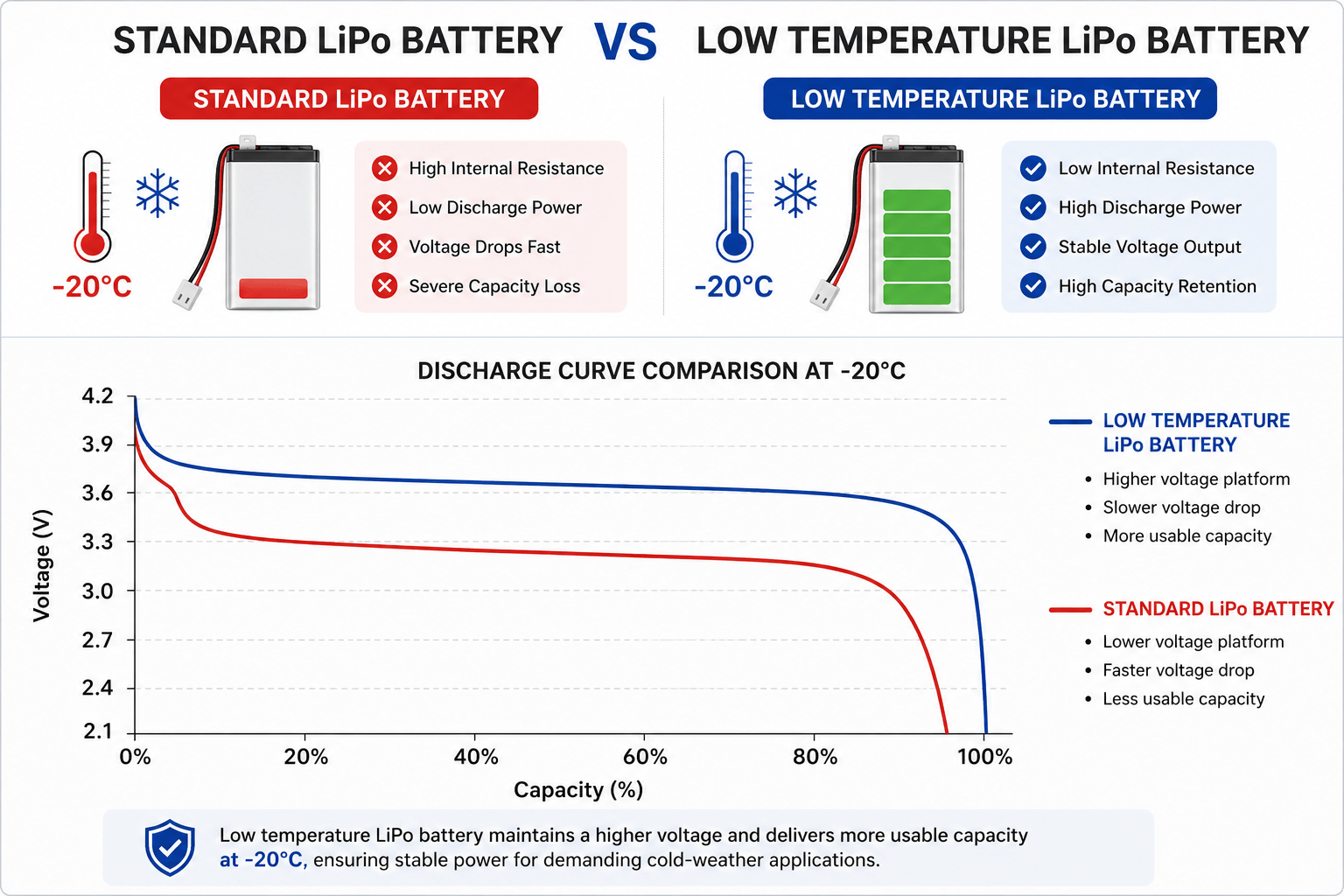 Energy Planning
Relate the 603040 calculated energy to its physical envelope, device load and target operating interval.
Read the energy planning guide →OEM Battery Support
Share the device type, 30mm × 40mm pocket, operating interval, current profile and required temperature range so the review can focus on samples and approval planning.
Include the conditions that determine whether this reference is suitable for the finished product.
ZERNE can review capacity, dimensions, protection, connector and temperature requirements when the 603040 configuration does not match the device.
Discuss a Custom BatteryFAQ
Find answers about the 603040 3.7 V 700mAh lithium polymer battery, including its dimensions, energy reference, current calculations, internal resistance and low-temperature evaluation.
The 603040 reference is 6mm × 30mm × 40mm in thickness × width × length order. Add room for cushioning, leads, connector and retention in the finished pocket.
At 3.7 V nominal voltage and 700mAh rated capacity, the calculated energy is approximately 2.59Wh before cutoff, load, temperature and system losses.
The table provides Approx. 350mA standard charge, Approx. 700mA rapid charge, Approx. 140mA standard discharge and Approx. 700mA maximum discharge references. Confirm final safe limits for the completed battery.
The listed 70mΩ is a planning reference for voltage-drop discussion. Actual behavior also depends on temperature, protection, wiring, connector and load.
Yes. Share the operating and charging range, runtime, load profile, connector, protection requirements and quantity so ZERNE can define an appropriate validation path.
Technical Inquiry
Tell us the device type, battery pocket, operating interval, current profile and required temperature range so ZERNE can focus the 603040 review on practical integration.